
Nothing beats a good night’s sleep, and you can get some of the best rest if you’ve got a bedroom that meets all your comfort needs. What does it take to make your bedroom the best it can be for you? You might be surprised to find that the perfect bedroom takes more than just the furniture inside. Let’s explore the ways to elevate your bedroom and sleep.
Besides a Bed, What Else Fills the Room?
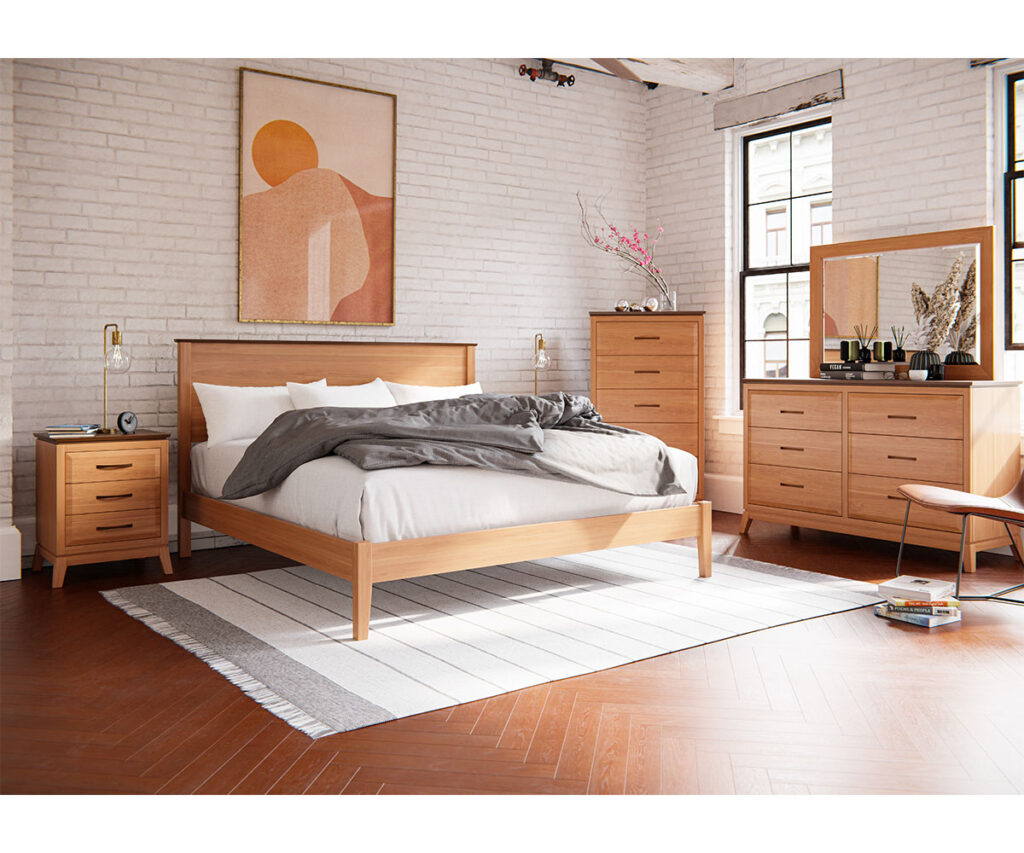
Technically, all you need in a bedroom is something to sleep on, but to make it truly comfortable, you should fill it with other functional and comforting pieces. Such as:
- A dresser or chest of drawers
- 1 or 2 nightstands
- Bedside lighting
- An armoire
- A rug
- Blackout curtains
- A plush lounge chair
- Sound machine
- A hanging rack (if you don’t have a closet)
Not every home will have all these items because there is not enough space or opportunities for use. This list is not exhaustive either. You may find that other pieces of furniture, technology, or decor will help you feel at ease in your bedroom.
What Materials Make the Most Comfortable Bedroom Furniture
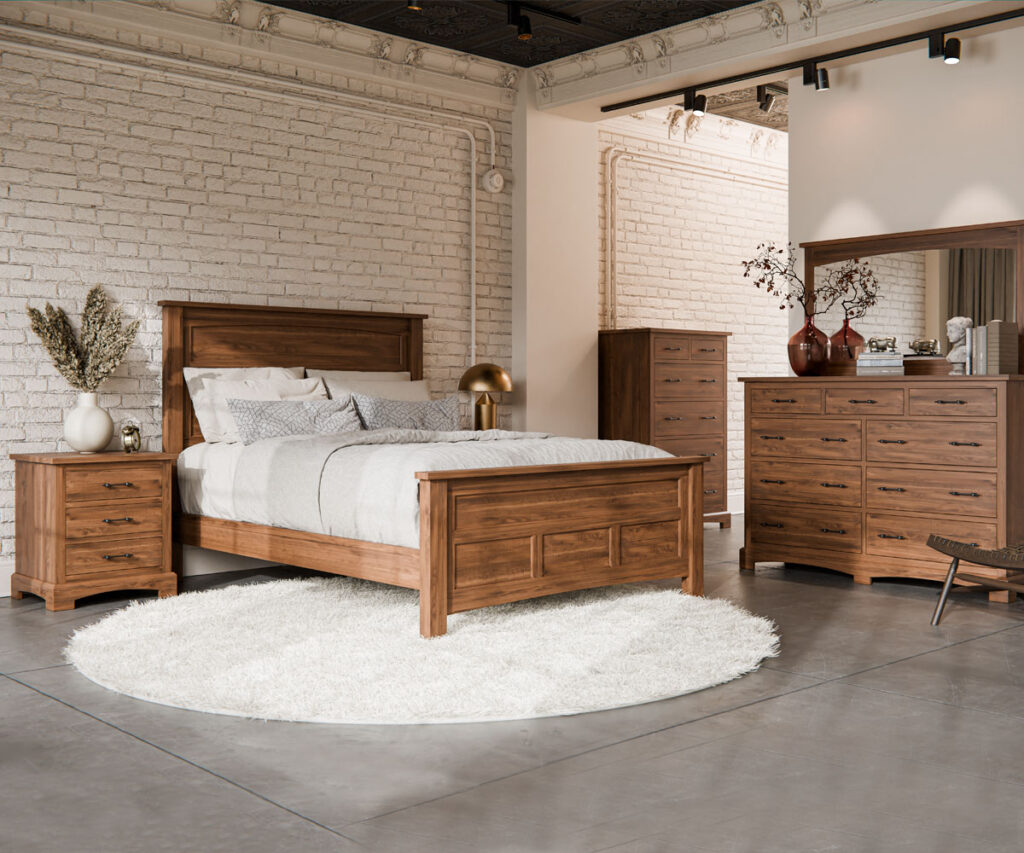
The five common materials used in bedroom furniture include:
- Metal
- Wicker
- Veneer/Plyboard
- Plastics
- Hardwoods
Many homeowners do prefer hardwood bedroom suites, but before we break down why, let’s share the reasons individuals may not prefer the other materials:
- Metal feels cold against bare skin and is limited to more modern and industrial styles.
- Wicker is lightweight, which makes the initial move easier, but it doesn’t compare in strength. Higher-quality wicker is often very expensive, and this look is limited to boho and eclectic styles.
- Veneer/plywood resembles wood and is offered at a lower price, but this comes at the cost of low durability. These pieces tend to show wear or break at the 5-year mark.
- Plastics have different levels of durability, but their overall appearance tends to fade over time. It looks cheap and is often associated with children’s furniture.
This is why many homeowners prefer bedroom suites made of hardwoods. Solid hardwood bedframes and furniture have been giving homeowners lifetime quality. You can find any trending or vintage style in this material, as well as a wide range of unique, handcrafted designs. If you shop at stores that specialize in American and Amish-made bedroom furniture, you’ll be able to choose the wood for your perfect bedroom and the color that fits your style and budget.
Is There A Perfect Mattress for Everyone?
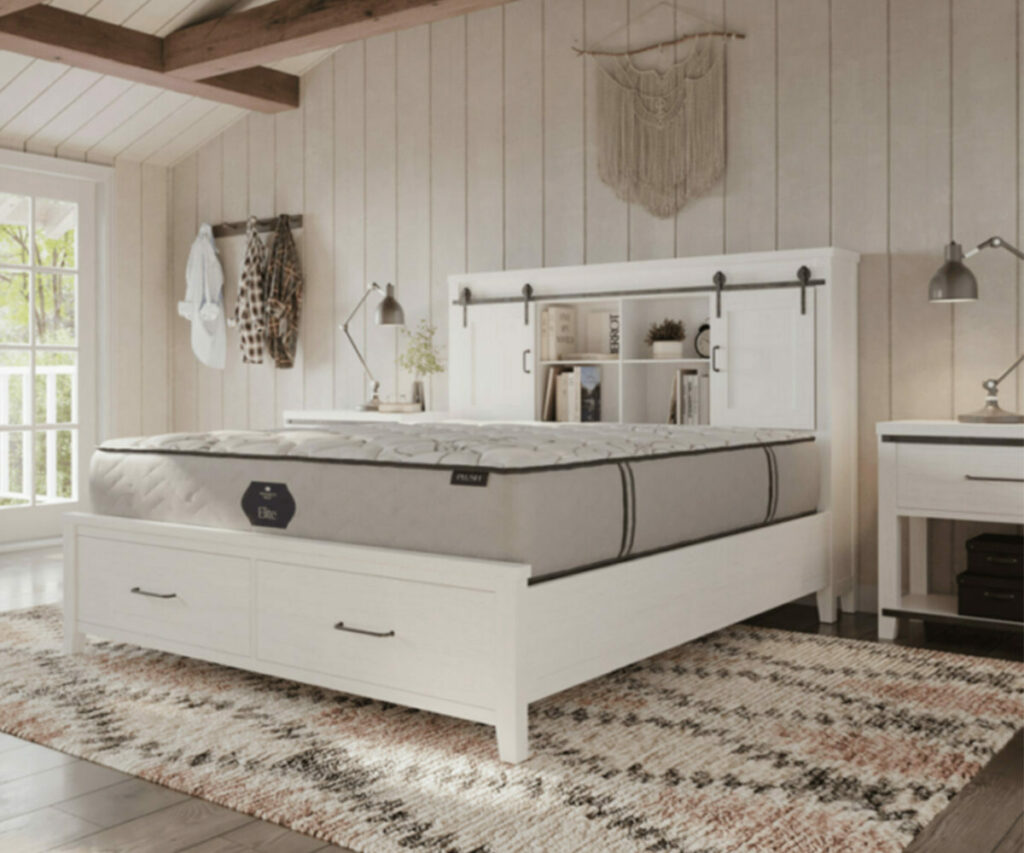
The short answer is “no.” Your sleep habits should determine the firmness and materials of your mattress. Pay attention to how you sleep and pick a mattress that fits your needs. You can use the basic guide below to get a head start:
- Back sleepers need medium firmness, but not too firm. This kind of mattress will support your lower back. Your weight may determine if you need to lean on the firmer side.
- Side sleepers need medium to soft firmness. When you sleep on your side, it’s crucial to have a mattress that is soft enough to give sink room for your shoulders and hips. When you have the right firmness, it keeps your spine aligned as well.
- Stomach sleepers need a firm mattress. This sleep position is not recommended for your spine and health. However, we understand that training your body to sleep in a different position takes time. Our recommendation is to purchase a double-sided mattress and start on the firm side. As your back becomes more comfortable, you can sleep on either your back or side, then switch to the softer side of the mattress.
- Combination sleepers can use a medium firmness. If you move a lot in your sleep, consider a mattress with gel foam that is not too firm, as it can help absorb your body’s movement.
Colors That Encourage Relaxation
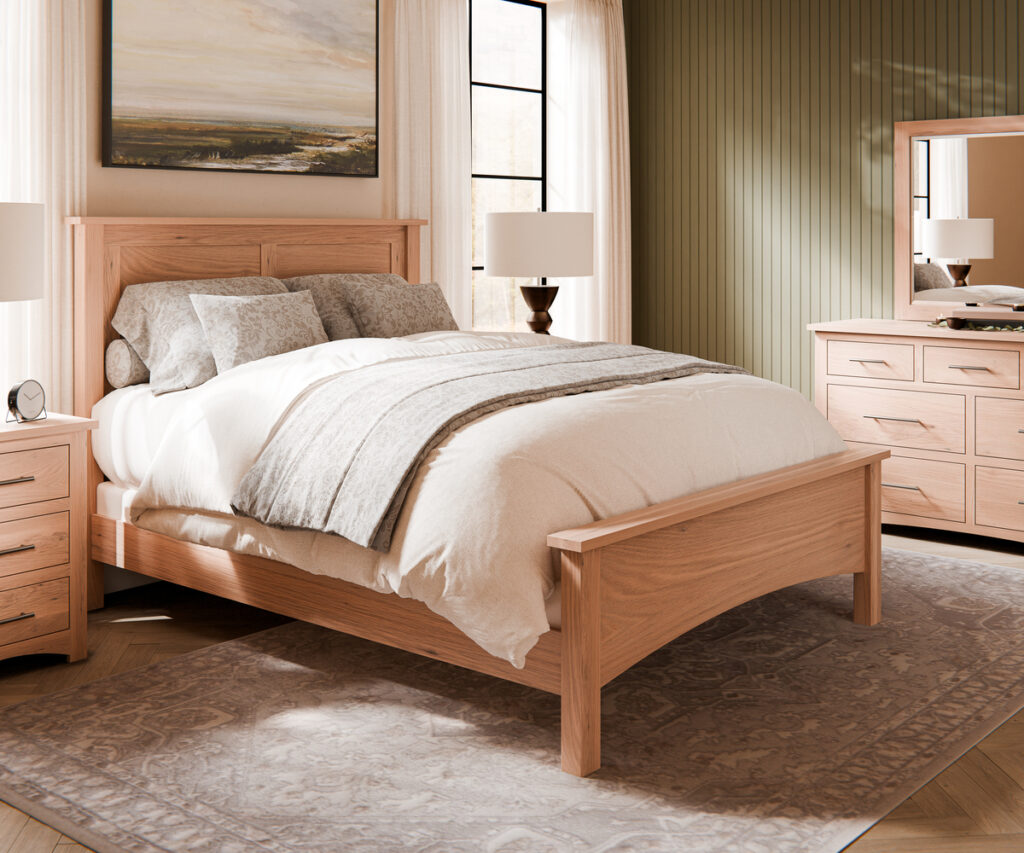
Your mind and body should relax once you enter the bedroom. Pick stains, paints, and materials that are comforting to you. It is worth noting that, while contrast and touches of individuality are essential, you should limit your use of “loud” patterns that may overstimulate your brain.
Color studies have shown that dark, muted, and natural colors are ideal for relaxation—shades such as gray, green, black, and brown. While white may make your room feel fresh, it is recommended that you avoid whitewashing the bedroom, as it can make the space feel too sterile.
If you’d like to brighten up the room, you are welcome to explore adding accents of color throughout this space. You could mix in deep and rich jewel tones, such as ruby red, amethyst purple, or sapphire blue. Others prefer more muted tones, such as sage green, blush pink, or dusty blue.
Good Sleep Practices
If you want to help your body sleep with simple habits, explore the practices below:
- As you wind down, limit sunlight and blue light. Stop using TVs, phones, computers, and other devices at least an hour before you plan to sleep.
- Lower noise levels. Try different background sounds (a fan, white/green/brown noise, nature sounds) or completely silence your room to see what helps you sleep best.
- Establish a bedtime routine. Try to be consistent about when you clean up, get into pajamas, and ready yourself for bed. This signals to the body that you are ready to sleep.
- Control air and temperature levels. Whether you like to sleep warm or cold, try to make sure your bedroom is always at this optimal temperature. Some individuals find that an air purifier has improved their sleep quality.
Want to Know More?
What Makes a Good Bedroom Entertainment Center?
How to Identify Real Wood Furniture
How to Mix and Match Furniture in the Bedroom